Independent films
Independent Bengali cinema
Every so often somebody in Bengal decides a story is worth telling and finds that no one in the industry will pay to tell it, so they make it anyway. On a borrowed camera with one lens. In a single house over fourteen days. Over years, in the hours around a job. These are those films, and what it took to get them made.
Independence is easy to claim and hard to check, so nothing here is inferred. Each film was read up on by hand, and the funding behind it is written out underneath with the source it came from. Where a fact could not be confirmed, it is left blank and said so.

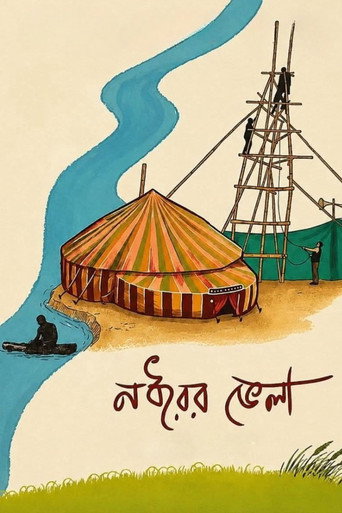
The Slow Man and His Raft
Nadhar is a middle-aged man who cannot move quickly, slower than a sloth as the film puts it, and when the mother who cared for him dies he is swept up by a touring circus. Pradipta Bhattacharyya made it with the same lead actor and the same patience as his debut, and then did the harder thing: rather than wait for a multiplex chain or a streaming platform, the film has been travelling Bengal through screenings people organise themselves: community halls, town theatres, cultural centres, rooms borrowed for an evening. It is a distribution model built out of audiences willing to make a space for it, which is what happens when the industry has no slot for a film like this.
- First shown
- International Film Festival Rotterdam, 2025
World premiere in the International Film Festival Rotterdam 2025 programme; later the only Indian entry in competition at the Kolkata International Film Festival. Circulated outside conventional theatrical distribution through independently organised screenings across Bengal and beyond, rather than through multiplexes or a streaming platform. The director's debut, Bakita Byaktigoto (2013), won the National Award for Best Debut. Source: IFFR 2025, The Wire, Outlook India, t2online, newsdrum. NOT YET CHECKED: no production company or financing structure is claimed here. None of the sources consulted names one, and this field is not the place to guess. YEAR: the catalogue holds 2026 from TMDb's release date; the film premiered in 2025.
More independent films
 Independent
Mirage
Made with no assistant director and a crew small enough to fit in a room, which Ishaan Ghose said was exactly the point: fewer people between the camera and the actors, and more intimacy for it. A second self-financed feature is the harder one. The first can be an accident. The second is a decision to keep working this way.
 Across borders
Once Upon a Time in Calcutta
It took four countries, two national film funds, a residency at Cannes and a crowdfunding platform to pay for one story set in Kolkata. Aditya Vikram Sengupta spent years assembling that patchwork rather than cutting the film down to what a single producer would sign off, and then waited four more years for it to reach an Indian screen.
 Independent
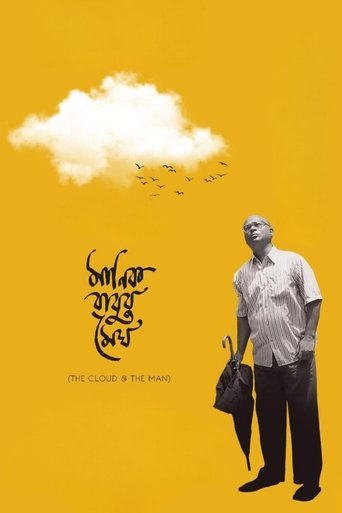
The Cloud & The Man
A debut feature about a lonely middle-aged man convinced a single cloud is following him, a premise no production house in Bengal was going to finance. Abhinandan Banerjee made it anyway, with a two-person production outfit behind him. It played Tallinn in 2021 and won a NETPAC award at home, and still took until July 2024 to reach a Bengali cinema. Three years of a finished film waiting for a screen is the actual cost of working outside the system.
 Independent
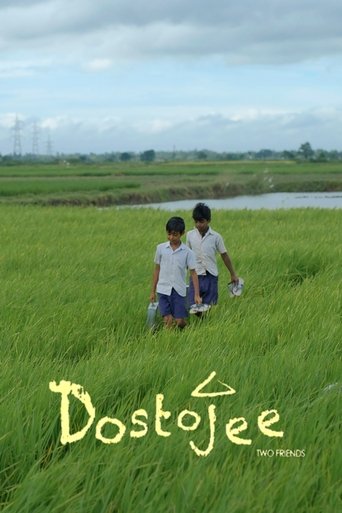
Dostojee
Prasun Chatterjee had no film school, no mentor and one short film, and every investor he approached told him a nine-minute short is not a feature. He made it regardless: two eight-year-olds, one Hindu and one Muslim, in a border village in the months after the Babri Masjid demolition, played by children from the village itself. The film then went to thirty-two festivals in twenty-six countries and won eight awards before an Indian distributor would touch it.
 Independent
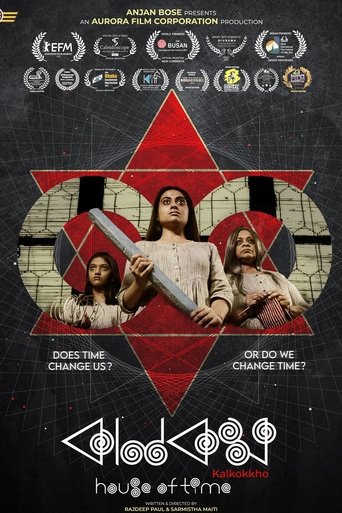
House of Time
Two directors, a fortnight, and one house in Kolkata. Rajdeep Paul and Sarmistha Maiti shot their first feature in fourteen days in a single location and made the constraint the film: a doctor, a house, and time behaving strangely inside it. It went to Busan, then won the National Award for the best Bengali film of its year, which is what a debut made on nothing can still do.
 Independent
Jhilli
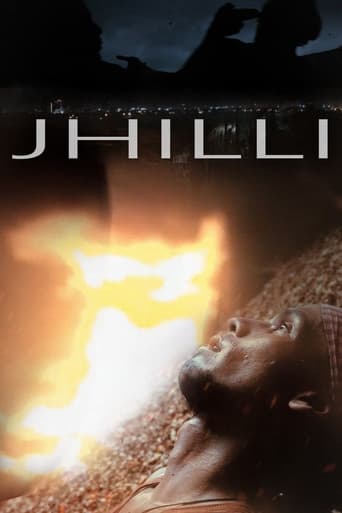
Ishaan Ghose shot it himself on a Sony a7sii with a single 16-35mm lens on a handheld rig, with no shooting script, improvising around men who work a dumping ground on the edge of Kolkata. There was barely a sound crew. The entire track was rebuilt in post over roughly a year of the pandemic. Nobody commissioned this film. It exists because he decided the people at the edge of the city were worth one, and then went and made it.
 Across borders
Jonaki
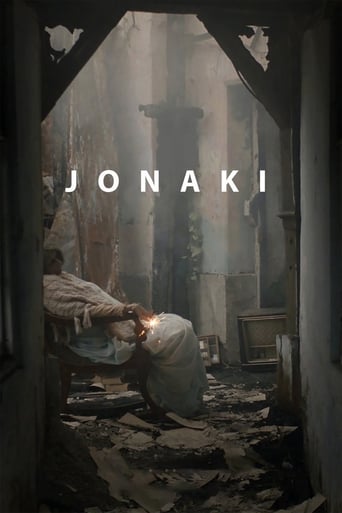
A film assembled the way memory is: in fragments, without the tidy chronology a commissioning editor would ask for. It found its money abroad, through a French producer who backed Sengupta twice, because that shape of storytelling had nowhere to go inside the Bengali industry.
 Independent
Labour of Love
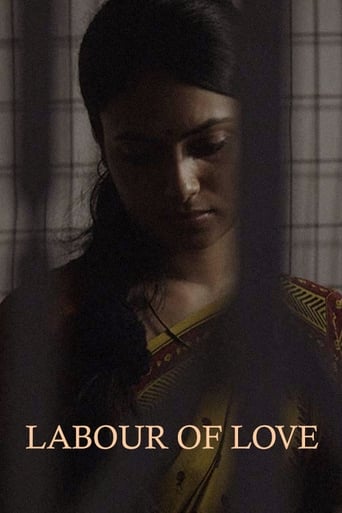
Aditya Vikram Sengupta wrote it, directed it, shot part of it, edited it and produced it. There is almost no dialogue in the finished film: a husband and wife work opposite shifts in a recession-hit Kolkata and keep missing each other, and the whole story is told in the small domestic gestures each leaves behind for the other. It is a debut made with no industry behind it that went to Venice and came home with a National Award.
 Independent
Gandu
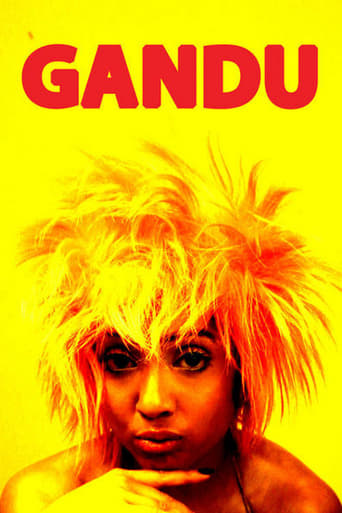
Q made a black-and-white rap film about a boy with no future and no interest in being liked, and never bothered pretending it would clear the censor. It did not: there was no Indian theatrical release, ever. He made it, took it to New York, Berlin and Slamdance, and let the film find its audience by every route except the one the industry runs. A generation of younger Bengali filmmakers took the permission it granted more seriously than the film itself.
 Independent
Spring in the Colony
Moinak Biswas teaches film studies at Jadavpur; Arjun Gourisaria produced and cut the film. Together they made a portrait of a post-Partition refugee colony in Kolkata in the months before it was to be demolished for redevelopment: thieves, poets, shopkeepers, layabouts. Not a subject with a market. They made it because the neighbourhood was about to stop existing.