Tagore on Screen: The Films Made From His Stories
A watch guide to Rabindranath Tagore films, arranged by the story or novel each one comes from
The best-known Rabindranath Tagore films in Bengali come from three directors: Satyajit Ray (Teen Kanya, Charulata, Ghare Baire), Tapan Sinha (Kabuliwala, Kshudhita Pashan, Atithi) and Rituparno Ghosh (Chokher Bali, Noukadubi, Chitrangada). Most of them start from a short story, a few from the novels, and one from the dance dramas, so the easiest way to find your way around them is to start with what Tagore wrote.
This guide is arranged by source text. Each entry gives the story or novel, the film made from it, the director and the year, and what the film does with the original.
At a glance
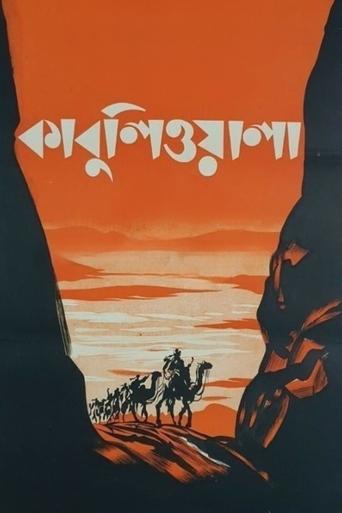
Kabuliwala (story, 1892): Kabuliwala, Tapan Sinha, 1957.
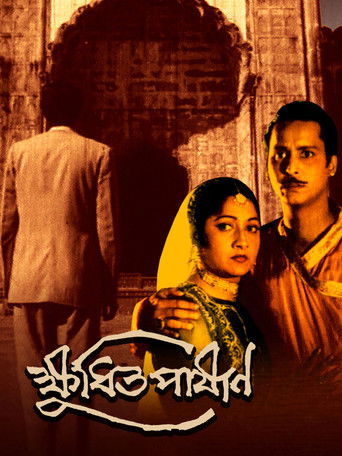
Kshudhita Pashan (story, 1895): Kshudhita Pashan, Tapan Sinha, 1960.
The Postmaster, Monihara and Samapti (stories): Teen Kanya, Satyajit Ray, 1961.
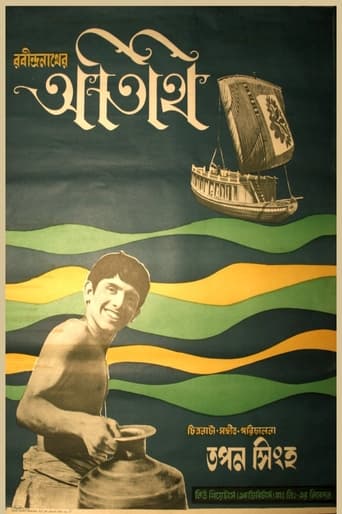
Atithi (story): Atithi, Tapan Sinha, 1965.
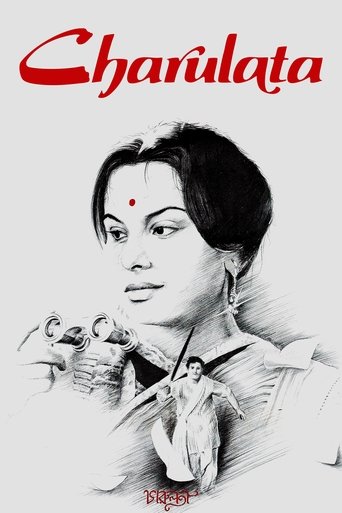
Nastanirh (novella, 1901): Charulata, Satyajit Ray, 1964.
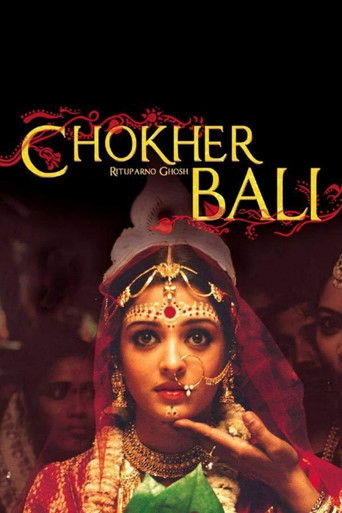
Chokher Bali (novel, 1903): Chokher Bali, Rituparno Ghosh, 2003.
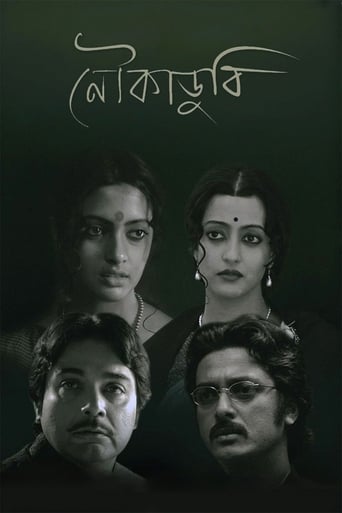
Noukadubi (novel, 1906): Noukadubi, Rituparno Ghosh, 2011.
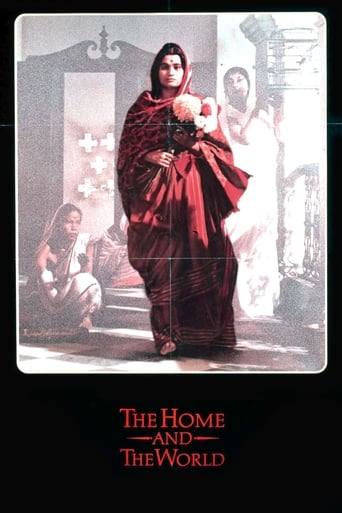
Ghare Baire (novel, 1916): Ghare Baire, Satyajit Ray, 1984.
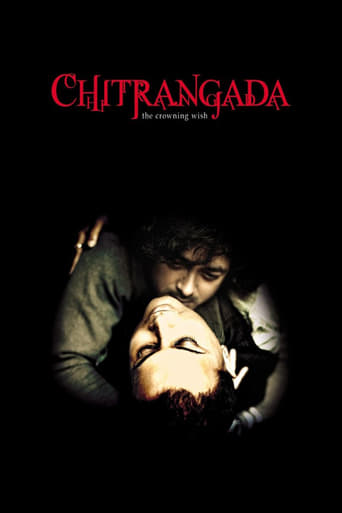
Chitrangada: Chitrangada: The Crowning Wish, Rituparno Ghosh, 2012.
The poet's life: Rabindranath Tagore, a documentary by Satyajit Ray, 1961.
The short stories
Tagore's short stories, several of them from the 1890s, gave Bengali cinema its most durable Tagore films. They are short enough that a director has room to add and change, and the best adaptations do.
Kabuliwala, story of 1892. Film: Kabuliwala (1957), directed by Tapan Sinha. Chhabi Biswas plays Rahmat, a fruit seller from Afghanistan who befriends a small Calcutta girl, Mini, and returns years later to find her grown. Ravi Shankar wrote the score, and the Afghan scenes were shot in Rajasthan. It won the National Film Award for Best Feature Film and a Silver Bear, the Extraordinary Prize of the Jury, at the 1957 Berlin festival. If someone asks who made Kabuliwala, this is the one they mean.
Kshudhita Pashan (The Hungry Stones), story of 1895. Film: Kshudhita Pashan (1960), directed by Tapan Sinha. A young tax collector is posted to a small town and moves into an abandoned palace said to be haunted. Soumitra Chatterjee plays him, with Arundhati Devi and Chhabi Biswas, and Ali Akbar Khan composed the music. It won the National Film Award for Second Best Feature Film and the Best Film prize at the Cork festival in Ireland in 1960. It is the Tagore film to choose if you want a ghost story.
The Postmaster, Monihara and Samapti. Film: Teen Kanya (1961), directed by Satyajit Ray. Ray made this anthology for Tagore's centenary year and it premiered on 5 May 1961. In The Postmaster, Anil Chatterjee is a city man posted to a village, and Chandana Banerjee is Ratan, the orphan girl who keeps house for him and grows attached to him. Monihara is a ghost story about a wife obsessed with her jewels, with Kali Banerjee and Kanika Majumdar. Samapti pairs Soumitra Chatterjee with Aparna Sen as Mrinmoyee, a tomboy whose marriage begins in hostility and ends in love. The version released abroad dropped Monihara and was sold as Two Daughters, so check which cut you are watching. It won the National Film Award for Best Feature Film in Bengali and the Selznick Golden Laurel at Berlin.
Atithi, a short story. Film: Atithi (1965), directed by Tapan Sinha. Partha Mukherjee plays Tarapada, a teenage wanderer taken in by a family who hope he will settle, and who will not. It won a National Film Award as Second Best Feature Film and was in contention for the Golden Lion at Venice in 1966.
The novels and novellas
Nastanirh (The Broken Nest), novella of 1901. Film: Charulata (1964), directed by Satyajit Ray. Madhabi Mukherjee is Charu, a lonely wife in a Calcutta house in 1879, and Soumitra Chatterjee is Amal, the young cousin whose company changes everything. Ray won the Silver Bear for Best Director at Berlin in 1965 and called it his favourite of his own films. At home it won the National Film Award for Best Feature Film. Penelope Houston wrote in Sight and Sound that "the interplay of sophistication and simplicity is extraordinary".
Chokher Bali, novel of 1903. Film: Chokher Bali (2003), directed by Rituparno Ghosh. Aishwarya Rai plays Binodini, a young widow who enters a household and unsettles it, with Prosenjit Chatterjee as Mahendra, Raima Sen as Ashalata and Tota Roy Chowdhury as Behari. It competed for the Golden Leopard at Locarno, screened at Toronto and Chicago among more than twenty-five festivals, and won the National Film Award for Best Feature Film in Bengali.
Noukadubi, novel of 1906. Film: Noukadubi (2011), directed by Rituparno Ghosh. A boating accident leaves two people bound together by mistake, and the film works through the consequences in a 1920s setting. Jisshu Sengupta plays Ramesh, Riya Sen plays Kamala, Raima Sen plays Hemnalini and Prosenjit Chatterjee plays Nalinaksha, and most of the pleasure is in watching four decent people discover what the accident has done to them. Subhash Ghai produced it, and a shortened Hindi version called Kashmakash followed, which Ghosh said he had no part in.
Ghare Baire (The Home and the World), novel of 1916. Film: Ghare Baire (1984), directed by Satyajit Ray. Bimala (Swatilekha Chatterjee) is drawn out of her husband Nikhil's house and towards his friend Sandip, a nationalist firebrand played by Soumitra Chatterjee. It competed at Cannes in 1984 and won the National Film Award for Best Feature Film in Bengali, with Victor Banerjee, as Nikhil, named Best Supporting Actor. Ray had two heart attacks during the shoot, and his son Sandip Ray completed it to his instructions.
So Rituparno Ghosh filmed two Tagore novels, Chokher Bali and Noukadubi. His third Tagore film works differently.
The dance drama
Chitrangada. Film: Chitrangada: The Crowning Wish (2012), directed by Rituparno Ghosh. This is not a straight adaptation. Ghosh himself plays Rudra, a choreographer staging Tagore's Chitrangada while falling in love with a percussionist, Partho (Jisshu Sengupta), and going through a transformation of his own. The film is loosely drawn from Tagore's play Chitra, itself based on the Mahabharata princess. It won a Special Jury Award at the 60th National Film Awards. It is best seen after you know the Tagore original, because the film talks back to it.
The poet himself
Rabindranath Tagore (1961), directed by Satyajit Ray. A 54-minute documentary made for Films Division in the centenary year and narrated by Ray. It won the National Film Award for Best Documentary Film. Ray later said, as quoted in Andrew Robinson's biography, that "ten or twelve minutes of it are among the most moving and powerful things that I have produced".
Which to watch first
Start with Charulata. It is Ray's own favourite among his films and a Berlin prizewinner, and it is the fullest account of what Tagore's fiction is about: a woman's inner life inside a house that does not see it. Then watch Teen Kanya for the stories, and Kabuliwala for the warmth. If you already know the novels, Chokher Bali shows what a later director made of the same world, with a star cast and colour.
If you want only one evening, Teen Kanya gives you three Tagore stories and three kinds of film in one sitting.
Where to watch
Streaming rights for these films change often. Each film's page on Cholochitro Diary lists dated streaming links, and it is the best place to check before you plan an evening around one of them.